The large freshwater tree's as Bod Henderson Central Queensland University has said, also have calcified fossil Tredino
( tubeworms) made up of the same calcite on the lobster to me that would make them a freshwater species.
The present of Limestone concretions and ballstones only occur around the present of Tree's where the tree's run out in both creeks so does the presence of any what is recognizable fossils and perfectly round concretions. Further up Casuarina creek one has got to travel once on my small bike I found large odd shaped peat stone concretions which one now thinks could be some type of ancient sponges.
One can research the Go go fish in WA
and the evidence it is found inside oval or perfectly rounded limestone nodules an
explanation would be Seismic activity in which silicon sponges consumed
the dying organisms
Paleontologist Bob Henderson from Central Queensland University in Townsville said in his letter that this was land 10,000 years
ago and the now Barrier reef was hundreds of miles away. that even makes a anomaly of the saltwater 11,000 year old mud lobsters one can not think of such a large tidal move inland as that when the recent ones probably lucky to be 30 miles like Port Alma being the limit.
Submerged reef s found deep outside the now reef prove this fact some of these ancient reefs are at 45 to 130 metres of water
http://www.deepreef.org/publications/conference/84--submerged-shelf-edge-features-on-australias
If there was outer fossil reefs one would expect them to be from mostly the early Holocene which could be the only time that the oceans were low enough for these reefs to prosper.
http://australianmuseum.net.au/the-late-miocene-epoch
Once
years ago when Bruce Runnegar had just moved to USA to work for NASA he commented on a MSN Group Paleontology blog page where I had about my fossil's and he agreed most my observations were
right. It is of much difficulties to get any comments from him in his position nowadays one can understand that.
This fish is told to me by Queensland museum to be 1000/10000 yr old Holocene, Mackerel or Bream first then later a Groper now there's old man and the sea story must have been captured by Aboriginal tribes back then as the land it was found on what was land with possible river to ocean back then. There are fossil whales so one must conclude there was ocean nearby just not enough water to accommodate a school of fish the size of 30 foot.
One does think it is definitely a giant Lobed fish of the Devonian when waters were extremely deep of the cast and it came ashore in pieces killed by shock waves of the Tectonic disturbance. It could also be correct to say it was such a shallow water feeder as the deeper ocean was silted up and it small fish came to swim in the shallows and feed of the insects that were in abundance in the Lower Carboniferous to the Permian and eventually the strongest survived to breath air and grow proper limbs.
A good link on Devonian bony fish
Ai give me these images from the vertebra., Gork only had them as Eocene fish, but I remember David Pickering saying they are probably the same age as the bryozoan. even AI can't give me an exact name because I explain the Museums situation.
A modern day cat fish frame comparison the stone fish plate.
People on Facebook Paleontology Groups really declare the fossil fish plate is Placoderm if it is the ancient Plate fish then how can the bigger stone ones be not. #commonsense.
AI gave me a few examples and they are not catfish.
Sue Turner formally of Queensland Museum had once recognized the white bone like object as being a possible fossil of an ancient fish others will just say concretion but I did find both at the same time by coincidence and it does fit in the hole just right and would curve the right amount for it to be a rib bone of the large fish.
An interesting Article from Bruce Runnegar in the Book Prehistoric Australia Brian Mackness. Page 73 Placoderms has the plate and Page 76 a giant of a Fish Wuttagoonaspis from Mugga downs NSW. Both of the Devonian an age of sponges and basic rugose Corals.
http://www.prehistoric-wildlife.com/species/e/eusthenopteron.html
http://www.britannica.com/EBchecked/topic/196682/Eusthenopteron
Some books have this fish Eusthenopteron growing up to 10 meters maybe this is the large fish that left it's vertebra behind rather than the Go Go fish Plate in my thinking might have been more bony plated and not vertebra type one just have to keep searching for answers here. As the deep oceans dried up it likely crawled on the muddy swamps surface surviving it is most likely had lungs as modern day fish only rely on gills for the process of their breathing tough dermal scales would have given it protection from the large scorpion type arachnids that were also part of the environment. I believe the so called Thallasina were actually some type of scorpion Lobster that grew up to a meter or more as some of the large stone structure shown later in blog were actually large leg cast fossils of these creatures. There is no definite prehistoric relatives that Paleontologist can find in evolution of the mantis shrimp with it seems a mystery so one has read in journals, so maybe this spiky lobster is just that. David Pickering from Melbourne Museum seen my point and was quick to point out the giant fish fossils could have took up to 65 million years to get to the stone condition they are in.


As I have only one of these items most experts, say concretion except for Sue Turner formally of the Queensland Museum she first recognised it as a possible dermal scale and a few ordinary self taught paleontologist have also agreed with it being a possible scale. Sue Turner had a lot of interest in my ancient fish .
The Teleostomi or bony fish the ones that left sub fossils of their vertebra when they were forced out of the deep Carboniferous Oceans because of the drying up had dermal scales and large protective body spikes the front fins changed over time into feet like paddles to manoeuvre over the shallows They were most likely to evolved a lung system that allowed them to wade out of water and live efficiently in the shallows on land for millions of years to gradually change. The lungs have now evolved in modern-day fish to be the fish bladder that keeps it upright.
This fish is our relative in sense to be the first organism to leave the water and evolve to an amphibian type animal, one gathers this only happened once the size of the species had reduced considerably.
An Artist view of the thirty foot fish
Picture of couple of my fish plate compared to the Picture of Placoderm book page 58 Australia's Lost Worlds by Patricia Vickers-Rich, Leaellyn Suzanne Rich, Thomas Hewitt Rich 1996
one on right Head shields of Brotihriolepis an antiarch, see page 77/78 Wildlife of Gondwana Patricia and Tom Rich.
Order < Arthroides ( Joint necked fish) species Placoderm upper Devonian they ranged from 30 cm or 1ft to 12 meters or 39feet and were on of the main predators of the time they were plated Armour with an up and down movement of the head section believed to be for pumping water over the gills. Internal skeleton was cartilage these were the ancestors of modern day sharks. they were bottom feeders with grinding teeth for a diet of lobsters and crabs. As these fish had no real inner bone skeleton it rules out the large 30 foot fish as being one of this species as cartilage doesn't fossilise, the point that this fish had strictly gills and had yet to evolve the fish bladder lung situation of the teleostomi type fish.
This fish plate has been totally mineralized to the extent it looks as though aboriginal people have percussion chipped pieces of it to make it some sort of scraper.
Microscope view Plate 25x
I have mostly always told that all was catfish but here is a modern day catfish both sides with one of the peat preserve fish plates the peat preserved plate has definite spikes on the end there is no such spike seen anywhere on a catfish frame. I once explained this to a person at the museum they then changed their description to being part of a crab carapace now it is bone not shell.
Ai gave me this as the fish.
Intel Microscope Picture of underneath of plate shows bone structure.
More detailed views of the maybe catfish or crab piece as the Museum people say but I would say a Species of Agnatha or Go Go fish.
I would have to assume these are all plates from the ancient Plated fish of some sort some seem to old to be Modern day some are missing now after the Loss by Museum when sent by registered mail to Susan Turner, they will be somewhere among someones collection. Fish maybe there was numerous species I couldn't see why not, the bottom picture is of one the Queensland Museum lost it has there was two of these the other was lost also and I am yet to find my old pictures of it, both the plates look as though the plate protruded from the fish and were over-lapping the other plates
http://austhrutime.com/jawless_fish.htm
http://www.britannica.com/EBchecked/topic/208456/fish/63648/Agnatha-early-jawless-fishes
These I would have to be the teeth ancient of Go Go fish a the bottom ones are the teeth of the fish according to the book given to me by Pat Rich. Also in her book is ancient Lung Fish jaw these teeth looks like they could be such to fit in the slots where the teeth were.
I understand by these type of grinding looking teeth it was a fish that fed probably of mollusks and small crabs of the bottom of the ocean. On Page 103 Prehistoric life by Brian Markness there is mention of Devonian fish Elonichthys and Urosthenes that had Plasmiod or Actinopterygan scales. The latter type of teeth could also fit that type of description.
This one which shows they are some bone like structure and not a limpet oyster has been lost to the Museum also.
The term fish can be divided into three different classes The jawless fish, the cartilaginous and the bony fishes .
The Agnatha or the jawless fish are the most primitive class, their skeleton was bone and there are no true jaws or teeth. They were bottom feeders of some 460 million years ago but now only represented by Lampreys and Hagfishes.
The Cartilaginous or Chondrichyes appeared in the Lower Devonian and lasted till the Carboniferous, had body-plates which are now represented as scales on present day sharks .
The Placoderm fits this notch in evolution and though they had jaws the teeth were more like sets of grinding plates reference: Readers Digest Essential Knowledge .
Magnified view of gastropod 10x microscope
Bellerophon striatus a primitive gastropod of the order Archeaogastropodia Middle Devonian Europe , The World of Fossils Giovanni Pinna has similarities with the tiny gastropod found in the concretions in the Casuarina creek.
Arehaeogastropodia, Praenatica, Middle Devonian, description from The Complete Encyclopedia of fossils by M Ivanov, S Hrdlickova, R Gregorova, Page 37
The world warming from the icy conditions of the Ordovician the time of simple crinoids and Echinoid's disappeared and was being replaced with forest growing land of the Carboniferous it was a matter of adapt evolve or die. Periods of Glaciation disappeared on some parts of the ancient land of Gondwanaland was splitting up and moving further away from the south pole and Forrest of ferns and club moss grew that are today's true coal seams we exploit in the Central Western Queensland. The coal here is of lower quality they say so it is the Museum's assumption that it is Quaternary .
The fact it is not as deep as the Western seams and has only layers of mud and gravels nothing of any great weight to give it the heavier pressure's the metamorphism hasn't been as extreme.
These crinoids similar to those on land near Rockhampton classified as Ordovician on shale split with hammer Port Alma carbonised shale's. These date back to the Ordovician 500 million years and like the Echinoid markings on the shale below from deep still cold fresh water environments, the carbon being from the existing moss vegetation still evolving at that time.
Here is an Ancient Aboriginal knife with Echiniods Track's one of the first segmented creatures to walk on the planet which puts life here much long back then 10,000 years.
Strataster stuckenbergi ( Rilet 1971) Page 186 Memoirs of the Queensland Museum Early Devonian Echinoderms.
These Helicoplacoids Lower Cambrian were spindle shape with mouth and arms at opposite ends more and much more smaller than the cystoid types in the Permian
Link to Devonian echinoids
Maybe the perfect condition is due to the percentage of soluble silicon and peat acids being only a small item it only need a small pocket of such mix that kept if from turning stone unlike large items some the bone has been destroyed or rather completely replaced by stone as with the later stone Archosaur hip.
It would be a quiet obvious Logical statement to make that smaller items would be much more likely to be fossilized and stay undamaged over millennium and than large items especially in the only narrow peat areas of Port Alma and probably the only small pockets of high silicon saturated water.
Both show some evidence of a cutting edges and slightly curved bone where it would be attached to ligament. Some people like my sometime partner when digging crystal and collecting fossils Karl Bush and others I have spoken to that are in the fossil business as collectors say these items are jaws of some animal.
One thinks these could be a very primitive small Marsupial but it looks like a flesh eater with small cutting teeth not grass grinding types?
http://en.wikipedia.org/wiki/Bothriolepis
Here I have comparison of some of different ages of sub fossil fish the larger peat preserved ones are still much large than those not of today versions like the Mackerel and King Salmons along the top they must have been extremely large fish lower right is a cat fish frame and parts thereof. The lower left one can see they are more of a fossilization extent than the possibility Miocene cat fish and Mackerel
The letter from Bob Henderson says it was land here 12,000 years ago the ocean was miles away?, so the ocean to be here originally was nearly 20 million years ago with the fossils found at Yarrwol shale's that would somewhat dispute the evolution of man if one considers his artifacts are part of the peat bog sediments with the megafauna and probably only were deposited there when they carved the marker stones most likely when food was available in large amounts to support a large tribe, unlike today's environment .
Limestone from under the mud still of magnetic ground there is obviously a reef of this with gneiss attached and pieces were broken of as marker stones many years ago when Ancient Aboriginal fished and hunted these lands.The sea levels were not so high and there was not so much sediment from land clearing and farming runoff.


Three parallel peat bogs with best fossils run at either end of the mile stretch of Shale concretion area at the above is the only one I found full all Eurydesma Lamp shells but shards have been found at both and one of each large Ball stone concretions are with crabs or lobster are never found in the peat but always either side of peat the lobsters in the peat have no concretion around them . Stone fish vertebra were found one at his area of peat bogs the other at two other parallel bogs nearly a mile away all these bogs run parallel with the maffic faults. there are areas of peat along the mile or more area but some are very thin in size and have numerous lobster and crab mud stone concretions each side of them. Each vertebra were found at least 18 months apart and was not until another 2 years I found the Go Go fish plate near these bogs one day when I was resting and dying from heat exhaustion I stopped and wished it into existence it seemed as I was just thinking so much about ancient fish when I seen its design staring at me out of the mud I knew instantly what it was that made my struggle just seem so much better my heart grew enough power to keep on trudging through the slush.

Peat bogs which are slower to erode than the un-peated areas where all fossils and sub-fossils originate is the only area where the perfect round ball stones are found never in the peat but either side. these peat bogs have most likely become more compacted over time, obvious more compact than the Miocene time when mega fauna bones became part of them.
One has noticed on a few occasions of small oily type patches which once on the skin takes a lot of washing of with ordinary salt water of the creek.
The concretions as most people describe them come in all different textures from Granite, orthoclase and Mud-stone that is still of extreme monoclinic hardness and slightly acid resistant.
My theory is that they are silicon sponges that formed during the Raleigh waves of the once ancient earthquake caused by the fault the limestone which is present in the mud between the faults is of same chemical structure but has twisted fractured patterns some shale have evidence of compression and slick n slides maybe results of movement of rocks against each other in an earthquake situation.
These concretions and shale Tube worm show evidence of compression faulting and an area of a slick and slide is created.
For this to be evident on such rocks means tome these items were already fossils at the time of this tectonic movements. One has very little idea on how long such earthquake activity lasted after the extrusive fault as cool would have taken years and contraction would have meant constant aftershocks or was it just one constant set of waves slowing down over time.

There out of four shale items exactly the same shape and stone one showed Paul Blake the Government geologist that come back to me with Enchinsolia Brachipodia. These originated Inkerman creek which has been dug up and used for salt evaporation one of the mud stone lobsters Nodules which match's the granite items also came from there. I have found them at times also in the peat bogs area's but they could have hardly have got to the extreme hardness of Black high silicon shale being only forever in peat so obvious transported there most likely by man or used as stomach stones by certain animals like crocodiles to crush their food
They all show extreme carbonization/silification fossilization way to much extreme to be cause in a normal tidal creek situation.
Shock waves from the impact point this situation the shock came from parallel extrusions deep under the ground eventually on the out waves of the shock waves would have got to a perfect condition for items to spin in circular direction and allow the Rayleigh waves form such sponges around dying animals and other detritus in the environment.
Tectonic activity probably carried on for thousands of years as the magma cooled send a constant wave of water peat and mud some animals like the silicon sponges evolved in this environment eating the bodies of the smaller crustaceans, larger ones and other animals would have been wiped out and only parts survived in the peat bog areas where it seems most items were reasonably protected from any heat and shear waves. Rapid cooling is evident at the faults as most of the surface Gneiss is broken into large chunks and the areas of silt stone is very much shattered and strata not even.
According to a page from an old Joy of Knowledge Book, Shale is made at a depth of 10 ks and granite even deeper so it unlikely most of these items that are fossil are only 1000 to 10.000 yrs old as there has been no tectonic activity in that period of time to create such hardness and any such large over folds of land to make the peat to be below the magnetic gneiss.
Picture just above shows one Metamorphic Orthoclase from shale are high land near Inkerman creek, other Mudstone Casuarina Creek near peat bogs
Degrees of roundness is an important factor as Geology Dictionary above say objects fall into the specific shapes naturally in nature not so round as they do at the Peat bogs. The fact I have some of these round objects in the semi-transparent silicon stage means they were obvious buried at great depths at one time in their formation and to have such an upheaval in the last 10000 to 1000 years is very hard to believe. The ancient Dunkleosteus fish (same as the fish plate above) found in the Go Go ranges is found in calcium nodules makes sense to me that they were also caught up in some seismic activity. The calcite sponge was the only creature to inhabit this volatile tectonic environment and feed of the organic 's available by encrusting the object like a slime which was later turned to stone.
Crabs that never have legs though in some large concretions they do which supports my theory of being rolled in all constantly for a long period of time just removing the legs .
Some of these nodules contain crabs, mollusks so the theory the Queensland Museum will say is that the Lobster and crab crustaceans went into the mud to metamorphose their shells and concretions grew around them is a bit strange as some like the gastropod and mollusks don't metamorphose and most the crabs in most but not the concretions have lost all their legs. One of the mollusk is the similar to a variety of periwinkle alive today doesn't have to mean anything but that fact it was the most successful of these species to survive so long.
Some areas of Casuarina creek only between the peat bog areas on can find this type of concretion with numerous molluscs, sometimes small crabs one would gather these and the crabs above and below all have some scientific names but not to be found in the book Cenozoic fossils of Queensland. Given the small crab found embedded on the foot of a Brachipod sort of make all tiny crab's as ancient.
One can only assume by assorted text information these type of concretions could be cana solitary coral. One will probably never know the name of the crabs as the gathering of knowledge is now not as important as other factors in life now are.
Three out of four of these modern day mud crab claws are all made up of a mud stone which is hard but not exactly as hard and texture of concretion mud stone items which monoclinic means it breaks in straight line strata and right angles, extreme hardness when hit with hammer or pick. All geologist or just your amateur rock hunter hits rocks with miner's picks it is very destructive at times but in the long run it finds more fossils than it destroys. Breaking the rocks this way one can sometimes estimate the hardness and know exactly where to hit it to get a straight fossil exposing break.
One has to agree with critics now this one is just another Crab it has been confused looking tortoise like but new fossils like one under neath definitely make it a crab on the base anyway.
This crab probably has some resemblance and size compared to the upper
This is a crab with a nodosaria hole through it or maybe the root of the freshwater tree. I am convinced these crustaceans died and became parts of the fusulinid diet it penetrated the bodies to absorb nutrients through the fine holes in it's silica shell.
Crabs close to the peat are fine one can be lucky some days and find a perfect one.
Macrophthalmus latreilli (Desmarest 1822)salt water crab from the Pleistocene to recent. For them to be shale one would dispute the Pleistocene again another anomaly if there was land here then .
Crab on a sponge. This sponge is unique to other I find it has in some of it's holes small shell like creatures .
These all have similarities between most of these concretions are the same in size and shape now if one has small shell creatures in the holes making it similar to a sponge then one could say all are sponges.
This one has a perfect crab on the side, as i have stated earlier crabs must be ancient this makes it possible to be a fossil before the round circular sponge make seismic action and survived in a moderate effected part of the peat bogs where the perfect un-effected Lobsters were found.
It is probably so the creatures inhabited the hole's part as it was the weakest point that was probably filled with fine sediment that later eroded out.
When seasons were good and there was not so much run of silt I was able to find abundance of these items which I say are sponges the two upper left are silcafied to the extent they are now orthoclase others have spore patterns of the plants that were around in the time of making, a couple with Nodosaria holes.
The Smallest imprint of a Crab on shale which would also be sponge just full of sediment and cooked to a high grade metamorphic shale type rock.
This crab is on heavy dark shale one of the hardest shale's I have found more to a granite type hardness I would say is a Brachipodia exactly the same as Paul Blake had found the name Enchinsolia. The crab is on the foot of the Brachipod animal then the crabs are definitely from the Devonian/lower Carboniferous .
And end view of Brachipodia cast fossil still shows the joint part these were just single shells that had filled with sediment and been carbonized and given extreme hardness by the burial not by sitting around on the surface .
The large shale ones nearly the texture of granite with so much silicon were predominant in the higher shale marls dug up for salt evaporation pans and channels.
Paraspirifer Species an articulate Brachipod of the order Spiriferida characteristic of the Devonian .
I have a couple types of Brachipodia from this area all recognized by Queensland Geologist Paul Blake as Paleozoic, some are black shale one
pure lignite. Now I assume that lignite is carbon and the black shale Brachipodia all have carbon now this carbon must have come from somewhere fossils could not be freaks of nature from some geology nature anomaly with it change of state happening 10,000 years ago. Brachipodia Spiriferida say people on the Devonian Facebook Pages also.
Description for Brachiopods from book Fossil's By Mark Lambert a Kingfishers Guide series
Gryphaea and extinct 195 million year old oyster say Paleontologist people on Facebook and my other research sources. This is a fossil one of many found on Antarctica among the carboniferous fossils found there making this a possible link with the ancient Gondwanaland when most of the continents were linked together. Pangea as a super-continent existed before this but no maps really exist of this Continent one could go the the ocean depth of 650 ft to calculate the shape of this land mass which is an example of water held up in ice in a super glacial ice age. These lower levels persisted during the Silurian, Devonian and Permian the higher pressures making elements like silicon in a soluble state that was readily available in the building elements of the invertebrate

The marl or limestone concretions in Casuarina creek have numerous Crinoidal sections and tubes,small gastropod and small crabs one is not sure if this is an anomaly or there is a time difference in the extinction or a difference in the locality difference of the time of the fault killing the organisms one could have been more saline than the other.
Also to be found here in description no 3 Book < Fossils By Mark Lambert a Kingfishers Guide series
The above link probably gives a better idea of the fossil gastropod
Survival without recovery from extinctions
http://www.pnas.org/content/99/12/8139.full
Many years of studies of fossils of this area has bought an assumption to me with hard limestone coating are Lower Paleozoic Devonian to Permian as even the Thallasina I find have such anomalies one has Fenestella Bryozoans on it. People of Facebook discussion pages give me Fenestella species.
Same Bryozoan as that on the Ancient lamp shell five I have ever only found and all at once other few times only shards. Eurydesma megadesmus is the lamp shell I say, as did Bruce Runnigar agreed with the skittle like Mollusca when I first put it on a MSN web-pafe group and showed it too him before he went to work for NASA.
http://museumvictoria.com.au/discoverycentre/infosheets/marine-fossils/bryozoans/
Bruce Runnegar's description of Eurydesma from book Prehistoric Australia by Brian Markness Page 104 has exact same image of shell and stone versions i find among the limestone marls.
http://www.kgs.ku.edu/Extension/fossils/bivalve.html this link has some interesting stone pictures of the species type
http://collections.museumvictoria.com.au/imagedisplay.php?irn=255491&reftable=ecatalogue&refirn=1352317
This link has a good picture of Eurydesma pectiniodia.
Jeffery Stilwel and Patricia Rich of Monash University left stickers over the box these contained when inspecting them must have been interesting and she enclosed a book on returning the fossils with the same shell embedded in rock.
Dr Chen in his email in the preface says possibly Permian
Bryozoan fenestella from Ordovician marked shale near memorial cemetery North Rockhampton consist of mainly Bryzoan and Crinoidea and sometime a few small Brachiopoda Enchinsolia and other bivalves.
Reference page 65 Description for the of Paleozoic Brachiopod from the Book , A Lost World By Patricia Rich
A piece of Pecylopodia I found in I million year old Sediments with other Aboriginal artifacts Bowen below and the large one from Port Alma top.
This Brachiopod I find with different name's but same designs in a lot of my research. Lindstoemella species see link
http://www.fallsoftheohio.org/DevonianBrachiopods.html
also as Pentamerid Kirkidium Silurian page 11 link underneath
http://www.paleosoc.org/Brachiopods.pdf
http://inyo.coffeecup.com/site/dv/poletabrachiopods.htm
Link to inarticulate brachiopods
A small brachipod from inside concretion the only one it has a stem part at base.
http://www.ga.gov.au/corporate_data/10531/Rec1959_100.pdf
Link Information - Pecylopodia of the Bowen basin.
Next link Interesting picture of megadesmus from NSW exactly same as my find.
http://www.blueswami.com/Megadesmus_and_Eurydesma.html
Link to other similar fossils found in New South Wales Devonian as I find in Area's here.
http://www.resourcesandenergy.nsw.gov.au/__data/assets/pdf_file/0009/447048/QN138.pdf
The pattern of Eurydesma under 25x Led microscope.
Microscope images Bryzoan Fennestella on Eurydesma 25x Microscope one image had better light.
Now the fine film creature of a Bryozoan lived in perfectly still water being so fragile any Tidal situation would have been detrimental to it. One can find evidence of still water sedimentation with the other tiny fossils of a variety of Ostracodia, and the below items of Nodosaria .
Another simple organism that lived in still water probably fresh from glacial run of was a simple Protozoan living in a silicon polythallamus tubular shell with feeding activity by a filament suspended feeder foot.
Now I have had lots of opinions of these items from fossil tree roots to Patricia Rich's Neural fish bones, being fish makes one there being an awesome size fish but some of the twisted effects off some maybe seismic action, don't meet the fish description for me so I will stick with the book.
A carbonized version that shows the singular cell animal also could build at right angles to it vertical structure
Nodosaria description from The Complete Encyclopedia of fossils by M Ivanov, S Hrdlickova, R Gregorova, Page 37.
Nodosaria or Fusulinids say the Paleontologist People of Facebook
The grooved design is a very common phenomena though calcareous shale, Shale bivalves, crabs and nodules.
This concretion comes from a another peat section further up the Casuarina creek I have had it soaking in Hydrochloric acid for a day then photographed it is giving of radiant heat to the camera. These are just supposed to be calcite mud-stone concretions according to Museum descriptions but some turn out to have such silicon hardness their physical chemical structure isn't touched by strong acid.
Other concretions from similar area all have had a rigorous Hydrochloric acid soaking the layered ones I would say are Stromatoporoids the first algae to inhabit the earth.
Ostracodia say Devonian people of Facebook.
These I have been told are fish feces pellets they seem to inhabit the tube worm hollows in the fresh water trees. I say ostracoda or juvenile Eophrynus but that might seem maverick to some. Fish crap pellets from a tidal zone yet to see any fresh water tree's alive in a tidal zone and to have them fall so neatly in place under a wash back and forth tidal situation is beyond my belief looks like an extremely still type water situation of sedimentation to me.
A Small peat of the peat under the Intel microscope also finds some evidence of the Ostracoda
This description from the The Complete Encyclopedia of Fossils by M Ivanov, Shrdlikova, R Gregorova , page 80 seem to fit the items exactly as Ostracods from a freshwater locality, the trees the tredino worms come out of are deemed as fresh water by Bob Henderson CQ University Townsville.
http://search.informit.com.au/documentSummary;dn=093085619829853;res=IELHSS Ostracods Australia link.
Crinoids say the Paleontologist's on Facebook
Comment on this one was tortoise from Qld museum a long time back too small to be tortoise under connected to other tubes.
Ophiocrinus strangeri, Slater, 1856 page 122 Memoirs of the Queensland Museum . Lower Devonian Echinoderm.
These are 60x magnified segment worms and other crinoial looking structures
Devonian Crinoids.
These are concretions with such small groups of Ophiocrinus segmented Crinoid.
The Large Limestone rocks I now believe have been broken of the under ground reef and used as Long rocks by the Aboriginal people when this area of was once land during the late Pleistocene as with most ancient Aboriginal sites I have found.
Green Genesis same rock as the faults with just larger crystals and plenty of crystals iron pyrites, Limestone is as i have been told 250 million years and fault rock 450 million years did it take that long to cool down?
Luke Godwin, Queensland Museum, archaeologist,came to Mt Morgan to look at sites accidentally exposed by cleaning of the river came to my residence after and told me the above were aboriginal artifact as was one of the Giant fish vertebra which was probably used as a graving stone to clean hides or sharpen sticks.majority were found among the peat bogs buried the same time as the mega-fauna.
The artifacts are mixed with the mega-fauna fossil's and the basic shapes of the artifacts to Scrapers, Graving stones and club stones also could be noted as significant evidence.
As David Pickering email says 40 million years sub fossil's it is difficult to see there was two periods of time that the Aboriginal people would have lived here and left their artifacts in the peat bogs. Recent Holocene time's one would hardly think the Aboriginal could have traveled the distance of over 30 kilometres of salt pan and mangrove from away from land fresh water to reach the peat bog area's. Though there is evidence of some higher areas of land like small isolated islands around none would have suitable fresh water.
Neocamptocrinus, (Willink1980) Memoirs of the Queensland Museum page 289 New Permian Crinoids.
Crinoidal Limestone along the Port Alma road varies these pieces of large reefs of it that were made back in the ocean as large areas of Tentacles that had broken and drifted into a pile then later buried under extreme heat.
Serptublids say Paleontologists on Face book
Some concretions have these tubular worms which I can only find in a book a Serptublids
Other Serptublids are found in the area and Yarrol Basin Lower Carboniferous they are more bulky and encrusted together fossils of limestone in the form of large reefs at one known ancient Aboriginal artifact quarry site exposed by land clearing.
This specimen of Serptublids or Receptaculities were 250 million year sponge like animals came from being broken of some of the other crinoidal limestone pieces dug up in the process of putting the power line down to Port Alma, not all poles have crinoidal limestone and gneiss only ones close to the fault areas so one could say they just didn't bring these stones out here to put around the poles if they didn't put them around them all.The 1920 drilling reports by Government geologist Dunstan say the lignite extends under the land from the salt pan area . There is evidence of a similar intrusive rock formation on highway some 15 kilometres away from the Inkerman creek formations.
Once being a Electrical Lineman and having experience in put up hundreds of poles know that these poles will be at least 2 metres in the ground for they are 35 ft in length.
A sample of Serputlid from far out along the Yarrol basin down Gentle Annie road near Raglan some 20 ks from Bajool .
All the above varieties all have been broke of a large reef of it along the road by aboriginal people and carted a few kilometres further on a mountain along the road to be uncovered by tree pulling and blade ploughed by farmers. the artifacts range from axes , club studs to large ceremonial stones. The fact that a lot of these ancient sites are now being exposed by clearing leads me to the belief there was two different groups of Aboriginal people that occupied the lands and at very different times in geological history, these being the same period of time Tertiary as Port Alma.
All of these areas were once Lower Carboniferous seas that were probably teaming with life for millions of years leaving limestone in massive amounts some enough for major mining activities.
The Marmor Mine is a commercial activity the utilizes the limestone for cement Production.Another mine 30 kilo meters + further west of Marmor produces fine crushed powder from it's mine for such goods as fertilizer and toothpaste production.
Many Limestone outcrops occur from Marmor and to the North West of Raglan way some have interesting Crinoidal tube like structures some are just very fine smooth white red grey smooth limestone structures.
All these crinoidal limestone's at different locations to the ones at the Port are slightly different in structure and color so the ones from the Port have definitely been dug up down there and not transported from these other site's as some people would like me to believe. Nowracrinus ornata above was found also in northern New South Wales Locations. Reference page 333 Memoirs of the Queensland Museum.
http://www.ibri.org/Tracts/tidaltct.htm,
Link re tidal slow down and growth of corals during the Lower Carboniferous/Permian
This is a more common one it I can find similar in my books I reckon is a species of Sinuites a small snail that used to use it extra foot to bore hole in other species and live of the body fluids.
This is not like any species there is around today never seen such spikes over the foot area ever.
Microscopic shell in concretion.
Opalization of shell, this state usually takes a few million years.
Tiny Brachiopod on concretion
Archaeogastropodia imprint fossil Lower Devonian reference The World of Fossils Giovanni Pinna page 77
Fossil Molluscs possible Bellamite type creature in marl from Casuarina creek

Fossil imprints of Gastropod and their small shells are varied but only limited to the ball-stone concretion and twisted concretion between the more densely packed peat in Casuarina more than Inkerman . The peat areas in Casuarina are twice as many really only two sections of three good one poor peat where crustaceans are all found in cigar like concretions. The marl area's has shale bivalves areas of tube like sponges, stromatoporoids and other molluscs unlike Inkerman. The only three peat area's all the fossil's is a mile from the fault diving down into the river there is much twisted marl all the way around there same fresh water trees no compacted areas of peat and no fossil's other than the tree's and possibility the marl being all twisted sponge like organism that couldn't get any set design due to constant seismic action when it was alive feeding on the organic mater killed with the turmoil. The wave activity might not of effected the tree's as much as the animals as being only simple root systems already in mud of a swamp a bit of breakage of leaves and stems up and down motion might not have killed many at all.
One can only give an Hypothesis in the need of explanation for the geological anomaly when little interest can be found anywhere .
Species of the first type's of ancient Nautilidae later in the Permian it grew much bigger. So it was really a species that got advantage of the other extinctions, major predators must have been eliminated allowing more complex evolution. These pictures are from an Intel microscope so the shell is only as big as a match head.
Interesting that some Thallassina Nodules have fresh water roots through them one has Bryzoans and fresh water trees makes me think one direction ancient. It is a likely possibility that the scientist work out 12,000 years when the Tasmanian land was flooded so these must be somewhere 11,000 years old but the point they have the fresh water tree roots through many and some of the nodules that could have have lobsters once are now granite. Most of the Thallassina anomala fossil mud lobster I find have a extra telson and extra segment if they are turned over two I have with actual 9 segment's not 6 like ordinary. Thallassina have numerous ones can be found with spiked telson sticking up between the claws like a mantis shrimp like creature.
David Pickering of Melbourne Museum was the only Paleontologist that could see what I was talking about when I showed him the fossils with nearly full segments and agreed it was a decapodia mantis shrimp type creature.
This is probably not so commonly found but there are lots of Thalassina out there with extra segments and spike and these should be at least classified a decapodia mantis shrimp type species not a grubby mud lobster
The legs are extremely long and seem to have many more segments than any mud lobster these three part had broken of the other two sections close to the bodies shell. I have noticed in studies of freshwater lobsters they have extra segmented legs usually with nippers though. Never have I seen this type of leg setup situation on any mud lobster down the river's.
Picture taken with latest newer Microscope
The telson part of anatomy is not one would think would be suitable for digging hole in the mud to hide from other predators like the modern day mud lobster. It much looks like the anatomy of a predator and this microscope picture shows a tiny hole in the end was this for injecting venom into it prey?.
The Segments were a very fragile part of the animal as in most specimens it is not there just a telson or a telson and one segment only two specimens show complete segmentation to the telson making nine segments all up 3 more than your Mud Lobster
If the Modern day mantis shrimp has these very similarities then it was also some sort of evolutionary survivor and still predator. The mantis shrimp has many anomalies it claws are backward closing sets of spikes they have the nine segment body situation with lots of spikes as does these fossils. They do make a tasty snack with distinctive crayfish like taste after cooked but seeing they are solitary predators one at a time is only a snack and when they are around it is hard to catch a crab or a prawn they seem to scare them all away.
Some will just say an anomaly but I believe these were the full size legs of this animal and even this one has part of an extra segment and evidence of telson being pointed upwards between the claws much the same as a mantis ship would be like
The fossils all have evidence of the freshwater tree right attached or through the lobster concretion being supposedly a salt water animal the mud lobster, it is a way an anomaly seeing only claimed 11000 years this is only possible if unless it was fresh water Environment when it was alive and roaming around or dead and fossilized and some fresh water type tree grew on this place when it was land in the Tertiary.
Telson set between claws thee underneath segments must have been just too fragile part to be fossilized.
A solitary telson of a lobster set in a concretion which does support my theory that the animals were torn apart by the tectonic action as most of the crabs in concretions also are legless.
This one the lobster nodule has broken and shows the telson set between the claws much same as mantis shrimp does with it spike telson which is used for killing it's prey.
Queensland Museum told me that these were extra claws but i have many specimens with extra claws .
Extra claws sometimes two sets are beside the larger working claws . The reason behind the so called Thallasina anomala species name is the mud lobster while in metamorphosing in the mud claws would change direction so the working part of the claw was opposite it's normal position which is the top in Anthropoid species as bottom claw is just for scooping and top claw to bring down and crush.
There is nothing in any scientific literature of species growing extra segments to it main body during the stage of molting.
One would think if these were normal mud lobsters one would find them the proper way up when they are eroded out the peat mud but nearly perfect ones are always upside down but later when tide wash gets them out they end up the right way one would expect to find a lobster.
Mantis shrimp are free swimming killers of mud lobster and prawns one knows if he gets mantis shrimp in the pots there will be less crab and definitely no many prawns around . Mantis shrimp if you can pick them up without cutting your fingers with it spikes is nice eating much like crayfish.
Mantis shrimp a nine segmented decapod
David Pickering of Melbourne Museum when I showed him agreed as did some Shipol Museum people many years before on a visit, now this creature Thalassina anomala was named back in the 1800's or even earlier and no one has ever done any research assumption their piers view is always right no one has ever gone out in the mud to pick one up and turn it over and ask about the extra bits underneath poor judgement for a scientist not to examine all aspects of a species.
Another anomaly is persistent among some of the shale bivalves they appear to have feet or feeder tubes as one fossil shows. Queensland Museum says the anomaly was a stick stuck in the mollusks on fossilization. One could agree if it was only one or two but this number of anomalies seem to outweigh that argument. Brachipodia have feeder tubes and feet to be suspended above the sediments to filter food the feeder tube was made out of shell and often surrounded by spikes to deter predators.
.
The shale molluscan bottom left is in a mono-clinic metamorphic state this could only have probably been buried at the dept of 10 kilometres according to The Illustrated Reference Book of The Earth, encyclopedia Editor James Mitchell, Green Genesis come of 25 kilometres depth.
 This one shows it is a tube going into the bivalve very clearly not a stick anomaly. but more a feed tube as flesh doesn't fossilize it can only be shell
Bruce Runnegar now of NASA who David Pickering said was just some sort of maverick, had comment on these when I had them on a MSN site and agreed they were Eurydesma megadesmus as in his book, Prehistoric Australia page 104.
These bivalves were sent to Raphael Wust at Townsville Central Queensland University who is an expert in Holocene bivalves , he could not give me a name for the shale versions and he said they are not recent hence I was referred to Bob Henderson who after saying they were fossil and the ocean was far away during the Holocene, but then he like others stopped information claiming he had retired.
Other bivalve sub fossils occur in these peat bogs too but they seem much younger some by physical look no zigzag sharp pattern but could be old as they are very hard mud stone already much harder than recent crab claws ones find with mud-stone . The sediment structure is more mud not limestone like the concretions.
Comparisons Top Opalized Bivalves from Lightning ridge New South Wales Cretaceous period 65 million years. Two lowers rows are the best opal like ones from Port Alma, Bivalves did not change much from the Permian to the Cretaceous period it was around 65 million years the brachipods were much extinct. The brachipodia had it origins in the much fresher waters of the early oceans land upheavals volcanism and erosion over time was adding salt to the situation probably would have been their downfall.
Brachipodia slide show Utube
Leaf samples of the Bhagavantha or Glossopteris on parts of shale of Aboriginal Artifacts maybe tulas or club ends.
Carboniferous shale with carbon banding also part of an artifact, Calamites say my Books.
Glossopteris Permian Clubmoss tree leaves 25x microscope picture found on a Aboriginal artifact tula or club rock.
This one a woody item looks like a spore pod to me has conifer shape and I have broken apart many of these flaky barked trees never to find any ever like it only much softer peat center's sometimes filled with tube worms which were shown above with slowly deposited items.
Different types of silicified wood some of the sides of the tree I would say the sponges grew around the trunks of the tree/s and got petrified over time.
25 x microscope picture it has the same structure as the Glossopteris leaves
10 x petrified leaves or wood sometime times this thy of fossil can be recovered of the stumps of the ancient tree's one thinks it is fossil sponge or a type of Nodosaria that has form round them when it was in the fresh shallow waters. One has only found this type of fossil at one farthest section of the tree's in Casuarina creek never any in around the trees left in Inkerman creek .
The patterns of the wood silicified from the ancient tree's at low tide level the bottom samples look very much bone structure but on breaking one it turned out to be wood .
A carbonized version of an oyster most likely the same age as the Brachipodia, this condition of carbonization would not happen in just a surface wet mud situation, seems very physically impossible.
Land close to the Water was not thick forest but more scattered Baragwanathia a spore produce large variety of Club moss , such tree stumps have been recorded found at the mouth of the Burdekin river up north near Ayr and Homehill townships. Large Scorpion types up to 3 metes, Armour plated small Archosaur and Labyrinthodont Amphibians inhabited the swamp areas, Pterosaurs probably had evolved and hovered the sky's. Large 1-2 metre Scorpion like arthropods wandered the mud swamps having running battles with the giant bony scaled fish that floundered in the silting up drying ocean scooping up brachipods and smaller arthropods crushing their shells with their grinding teeth. the water was yet to be salty and fern like tree's lined the beach side areas with abundant large insects as food for land evolving species .
The swimming spider was just another predator that had to penetrate the bony armor of the fish of the lower Carboniferous. Being such a fragile organism it was probably easily driven to the edge of extinction by any massive tectonic event.
Obvious there was higher land in areas by the Permian which now is probably part of the sediments for Pterosaurs to take off and glide to catch their meal, one did have some possible evidence of such an animal with the large breast bone and archosaur hip bone it is of lightweight construction one would expect to find in an animal that flies.
The most interesting of creature's I find here I classify it as Erophrynus a Devonian Primitive spider, though the Queensland Museum lost my best specimen I still have some good fossils and find more mandible parts all the time. The magnified picture shows the digestive system of spider that lived of either blood or flesh of it's victims. One wonders if it was a tick like creature that attached itself to the prey or swam in some horde and attacked the prey like a piranha fish does ripping it to bits ether way it was a predator that would have had terrible consequences .

.jpg)


 The last Picture is probably the best one to give the actual shape and size of this creature it has evidence of the overlapping sharp cutting pincers.


Different samples of individual pincer unlike any modern crab or lobster. a Lot of paleontologist have comment with the description as a crushed crustacean but what species of crustacean is the question I wanted answered but never given any but silence.
A large swimming Tick like ancient species would probably have some similarities with crustaceans .
My reason for ancient Arachnid is the description in the book page 79 The Complete Guide to Fossils which describes the structure of Microlabris Carboniferous which Eophrynus was a species it was a Small animal with a cephalothorax and larger abdomen, the animal sometimes hairy in with mandibles and also a complex lung system for an animal that lived under water.
Magnified view of the beak of the prehistoric spider.

In the cold depths of the Ocean Sea scorpions and the swimming primitive spider of a small size mingled among the crinoids and sponges why one finds all their fossils together.
Utube Slide show Primitive Spider
Similar to that of Favosites sponge from Texas Permian formations.
Paleozoic sponges were of similar structure all over the world as one has learn from the World of Fossils Receptaculaties was a Devonian sponge organism from Devonian Europe

My reason I say sponges is the concretions when dropped in Hydrochloric acid for a day or more they don't always totally dissolve but leave a pitted hexagon shape indented high silicon type structure very much the same as the Favosites sponge of Texas
http://coral.aims.gov.au/info/evolution.jsp
The link explains the corals of the Palaeozoic did not always build reefs but small singular groups of individuals.
Pleurodictyum Reference The complete Encyclopedia of Fossils R Gregorova, page 56, upper Silurian middle Devonian.

This and other granite concretions are found in higher shale ground dug up on the high pan above the Inkerman creek area but there are other versions of sponges which are not round these are the same shape as Thallasina Concretions or even the Sponges found in Boulder creek lower Carboniferous Mt Morgan. This one has one crinoidal spiral hole in it so would have to make it ancient sponge type cast fossil likely created from the wave formation during the period of volcanic actively of the faults.

This item has small crinoidal worms on the inside and would assume it is a tubular sponge that evolved after the extrusive activity or maybe before at the time of the stromatolites. it was excavated in an area where there was no tree's present just lots of Stromatoporoids like structures. maybe this area in Casuarina creek was where freshwater melt from inland glacial formations met the ocean that was becoming slightly salty back some 450 million years ago.


 Small type bivalves are evident in some of the porous holes were these the parts of the sponge spicules?

This one is only small it is obvious to see that the weakest point in the erosion process was the sediment-ed holes of the sponge like organism

These I would like reference of to be a type of Archaeocyatha a type of shallow water sponge. The World of Fossils .
Calcium silicate sponges from Devonian times the decaying sponges and other silicon animals give the brine the 3 .4% soluble silicon percentage it combined with the peat sugar ( Sphagnum Sugar) gave excellent condition for millions of years preservation is my general theory.
The Tubular sponges were found in an area free of peat and ball stones but was the location of all the layered stomatoporoid type fossils. and a lot of the large pseudo fossil leg and pelvis like rocks and legs of the possible giant scorpion type. this seemed a place that was unaffected by the tectonic waves that could have twisted all the other marl.
Tubular fine silicon sponges is my description of these objects. these also found in the area as the latter the silt mud was just packed with numerous tubes of these.
Crabs on cana Solitary Coral, the coral structure over time has been completely replaced with limestone/mudstone under terrific pressures and heat . One does not see these in the Cenozoic fossils of Queensland book and no doubt there is a lot of different species in the small crab selection. as one has one of the tiny crabs on a brachipodia it can be easily said they are all Devonian in age.
Crabs come in all different types surely not all the same general species.
Stromatoporoids were tabulated forms of algae growing in layers and most first sponges just fine tubular silicon structures. I think the parts of organic matter was forming circular designs and along came a simple waterborne mould that was able to metabolise it and then another patch of organic material fell on top onwards the process went. These moulds held the first chlorophyll organism that scientist believe in great massive amounts gave the earth a much more breathable atmosphere that the one filled with nitrogen. Other sponges being made up of mainly single cell organisms small animals that filtered the water for food, come all shapes usually of the other organisms they would slowly devour as found with some shells I have found are now just corals. sponges were more fluid in the shape they could form and would have found it easy to evolve into a circular structure during the time of seismic activity.


 A few paleontologist have claimed this end part is bone as on the other parts then why is it not a tooth then they are bone.
Reference
Jaw fragment of Labyrinthodont amphibian Austrobrachyops from early Triassic Lower Fremouw formation on Coalsack mountain, Transantarctic Mountains Antarctica (E H Colbert) Wildlife of Gondwana Patricia and Tom Rich. Page 144/115
Now one can see very little difference in the one I have found mine has the muscle joint part very visible and running parallel with the tooth making this just a digging grubbing type animal. and would suit the Devonian faulting as I am sure the same maffic fault rocks will be found near coal measures in Antarctica.
I can only find a description of this sort of skin fossil as a possible Labyrinthodont Paracyclotosaurus davidi was found in Early Triassic sediments near Sydney where I guess the eurydesma megdesmus was found that Bruce Runnegar used to research.
Picture 105 wildlife of Gondwana by Patricia and Thomas Rich of a labyrinthodont Chomatobatrachus halei from Hobart Tasmania has such a very much identical skin.
One has found rounded acid resistance granite rocks the shape of a packaged meat nob one buy at supermarket down there that could have possibility be Gastroliths of such creatures as they required stones in the stomach to digest the food and most Saurians do or they might have been aboriginal grinding stones brought there from up in the shale areas. The grinding stone idea is a lesser belief as why would you have your grinding tool at a beach which it seems it was used to break open shells.
The Peat area place is full of anomalies there is the abundance of pseudo fossil type material that is so interesting they make good art objects
Could have been the wing of a large Pterosaur if only they were bone.
Pseudo fossil that are mono clinic rock some I have turned in to art objects. the two legs simlar could be legs of a giant lobster they measure allometrical to the tiny one with the right ratios.
These are heavy metamorphic rock but bottom one resembles an Archosaur leg bone and two middle ones are allometrically (same ratio of measurements between joints) comparable to the legs of the lobster, the top S shaped stone, a Friend and once fossil dealer says some sort of ancient dinosaur hip cast fossil. Karl Bush the guy that originally found the Pliosaur fossils in Mt Morgan the Queensland Museum would never give him credit for because they were on some ones mine lease he claims there is no way that this formed by any sort of erosion or even just concretion forming.
I have much belief that these animals could have existed before the end of the Devonian as even with the tube worms of shale that have been bent by tectonic movement must have been stone before that to have taken place. There was probably some type of prehistoric Dinosaur and Pterosaurs roaming around and some just born the wrong day then maybe due to a meteor strike over the over side of the World making the central core ring like a bell , magma was forced to the surface with an unending earthquake for maybe thousands or millions of years creating pure disaster and extinction to the majority of species.
Some millions of years later it is once land again as sea levels dropped due to increase glacial activity it was inhabited with mega fauna and prehistoric human kind roaming the land.
Email from Phillipa Horton director of collections at SA Museum who thought the above vertebra were of some ancient camel maybe 40,000 yrs or older.
 This could make them sub fossil's of Macrauchenia herbivorous Camel type beast that was fast on it feet lived in herds and browsed on tree's. One would hardly think they would have eaten Eucalyptus tree's they lived 7 million to 20,000 years ago fossils have been ever found in south America before the land bridge formed letting the larger Predators from the north drive them to extinction. There is Platypus teeth fossils found in Patagonia which proves that Australia was joined to south America at one time . Sea levels would have been extremely low some 7 million years back remains of ancient fern like flora was in existence for them to browse on. Having only ancient flora evidence in the bogs and they don't give much evidence of any other different flora and makes it difficult to determine if Eucalyptus was around so one must assume some of these Tree's stumps in the mud could have still been the existing flora of the time of the mega-fauna.
Maybe this was the vertebra of the Macrauchenia it did exist at the tiny of the Mini horse though the bones show much heavier peat preservation than the latter.
Lower one here I have given a comparison of modern day horse vertebra and the one from the peat bogs. The design of the extruding bones are very much similar there is some difference in the vertebral joint design making the sub-fossil one looking very much macropodia then a possible Diprotodon with so the jaws and teeth below.
The size of the teeth compared to horse which makes this horse small as a baby goat and with the ridges it say it is a year old. Many comments have been juvenile horse if it is not a giant sheep it's a mini whatever scapegoat explanation.
Pat Rich also commented on the foot bones below saying large Wombat. Queensland Museums Book has the jaw and teeth as a large wombat Phascolonus gigas Pleistocene approx 1 million years .
This Wombat was the size of a large cow pretty sure there isn't any of that type running round now. Patricia Rich says large but how large is the question compared to modern day's wombat species
Most likely from a type Diprotodon the size of a hippo very much similar to the species found in Mt Morgan Dee river sediments with other Diprotodon bones and teeth.
Diprotodon leg bones of two different species and one large kangaroo top leg bone. The Mega fauna of the then 40 million years ago somehow seem to be in the location of all these Aboriginal ancient artifacts and it is most likely this was the only period of time in recent history that this could have been land occupied by the Aboriginal people with so many marker stones. Also the only likely time there was fresh water available for a large amount of people to inhabit a piece of land with sufficient food so this would put my theories right out away from those taught with any modern day archaeologist. Man never left many fossils but did make tools and the presence of these tools with mega fauna sub- fossil's seem to give a since that they were around together
All meg-fauna bones have occurred at the furthest peat bogs up Casuarina creek one has never found any near ones that line up with the Inkerman creek peat bogs or any in Inkerman creek bogs.
Vertebral spacer of large marsupial as big as a large bullock.
Hip and ball joint of a extra large marsupial ie Diptrodont.
Jaws and teeth of Macropodia or Marsupial maybe Procoptodon It was a foot higher than the modern day Large grey Macropus gigantus. The small bent tooth has had the interest of many a Paleontologist it must be significant to this species.
Peat preservation of smaller version of diprotodont
Diprotodon back vertebra disc one can identify this with as there is evidence of such an animal existing in Miocene of the area. It's shape took time to realize but that of a macropodia or kangaroo type animal the next vertebra helped me do that.


Lot's of paleontologist were interested in this tooth so it has some special significance.
All animals and fish fall allometricialy into size of animal comparable to size of vertebra. this would have still been a large kangaroo so when the dude from the Qld Museum said in one of my last descriptions that the fish was the similar size of grouper today I can tell you he was telling a mis-truth. Could be a modern day kangaroo but because of it peat stained situation one can assume it is Miocene as this is more likely the time the bogs were much more fluid in structure for animals and bones to sink into then today and recent kangaroo bones found from crab pot bait if they survive the modern day predators being organic food usually turn out black from mud preservation.
Unknown rib bones looks like what one would expect with a diptrodont type animal.
Leg bones marsupials Radius and Ulna's
 |
| Small marsupial rib bones. |
2 Hip Bones marsupials.
Marsupial back vertebra has similarity to a Thrylacine.
Meat eating Kangaroo see my videoPort Alma mega fauna, Miocene
Reference see Illustration, Wildlife of Gondwana, Patricia and Thomas Rich, page, 158.
Whale possibly Miocene as the frame part is also in The Lost World book by Patricia Rich, also David Pickering at Melbourne Museum when I said jaw could be possible camel he quickly corrected me saying it was a sub-fossil whale jaw.
Wildlife of Gondwanaland by Patricia Rich page 202/203 One can see it having the same aspects as fossil Mammalodon colliveri from the late Oligocene this species is the oldest known species of whale fossil ever found and was also found in sediments near Torquay Victoria.
Link below has some comparisons,
http://etb-whales.blogspot.com.au/2012/03/evolution-of-whales-adapted-from.html
These are all whale back vertebra a few different species.
The fact that we have whales from the Miocene means the ocean was close and whale could have been food of possible the native people's one can assume that fresh water met the ocean here back one million some time for a long period of time with the variation of different species. Now these whales back in the Miocene would have been same size as the Grouper today with only this size vertebra
Paul Purlgrove of the UK a Paleontologist did the markings on the images to explain the giant bird parts to me.
This I was told by many people especially the guy introduce to me by Karl the Queensland University Professor that took it for analysis and lost it on viewing it in Mt Morgan he described it as such the breast bone some sort of elephant Bird. A Paul Purlgrove from London told me possible Pterosaurs. My view could be that more ancient bone's has peat preservation which looks much more ingrained than the other more recent bones that in most times seem just mud stained.
A small bird breast peat stained sub-fossil it just doesn't really fall into with any modern day design that one has seen or can find in one literature.
Comment on this have been quad rate jawbone of bird that supports the beak to me that would be an extra large bird too. possibility Genynormis or Dornormis the extra large Emu types of the Pleistocene.
Some people don't know where to put this one as it is not a fish piece they are usually cartilage and this is bone with special identifying features eg the step down piece point lets me to think it is dinosaur. The first digit of a dinosaurs foot like the book description above shows, but this was a herbivore as no sharp point as on the Carnosaur in book. Then again in the Pleistocene there was the giant land bird one would gather it would also have a similar toe bone structure being so related to dinosaurs .
Wildlife of Gondwanaland , book by Patricia Rich page 160/161 says Middle Tertiary, Emu Emuarius gidju.
Peat preserved bird wing ulna bones.
These are teeth of another animal I would say teeth if not of whale then fish of some sort the preservation is perfect .
Teeth of what I might think to be a whale, one has given up asking a Museum that gives one silly answers.
Assorted preserved by peat whale, fish sub fossil's possible all peat preserved one would be Miocene.
This fish one would have to say Miocene not only because of the peat preservation but because one has difficulty finding a matching species today with a split or hollow bone pattern.
The top pictures look much in similar to beaks of Platypus though some like David Pickering say fish but were not willing to compare it to the Platypus head on display at the Museum at the time. The cat fish frame has some similarities with the joint part only other than that Catfish has the rough plated bone in conjoined segments One could relate to it as a more primitive type if not for the next item found at the same time period.


Possible platypus left toe back foot the toe with the grooved edge used for especially refilling the hole. I have had some suggestions that it is possible broken marsupial incisor. I have many marsupial incisors and broken ones they just don't seem to be like in the bone structure, their broken incisor are always jagged, never neatly conforming to a specific perfect design. One has seen picture in magazines of Platypus web back feet and this matches the toe perfectly. The platypus evolved some 120 million years back and fossil teeth have been found been found Lightning ridge sediments These belonged to a platypus that was around when dinosaurs were still roaming around Australia which was still attached to Antarctica and South America. Fossil teeth to platypus found in South America that belonged to a 60 million year old creature that was living with similar megafauna that was present in Australia.
Intel Microscope pictures some of the brown has not so many but look like parts of oyster assorted shells than the white.
Different types of corquine found along the area the brown variety seems to much more abundant could the be coprolites of some ancient fish or other animal?. The white corquine seems to be more like hundreds of tiny oysters stuck in a pile where the brown type sometimes has good broken bivalves of other molluscs.
Some of the bivalves are really hardest mudstone but different composition than the other round concretions or the other shale bivalves. The mudstone is a much harder version than found in some recent crab claws found in stages of fossilisation.
Arctica was a cold water lamellibranch molluscan of the early Cretaceous Period 70 million years to end of Pleistocene, Reference The World of Fossils
Two million years ago pretty much the same design all around the World due to exactly the same climatic conditions.


Two microscope 25 x pictures show no designs like the other but do show parts of peat plant material which probably means they grew in this area among the peat which was obviously close to land and in the shallows.
This Gastropod I can identify as Sassa a Miocene Gastropod good specimens can be found near the peat areas only. Sassa was a Miocene gastropod of Europe but in the Tertiary parts of Gondwanaland had similar species , Patagonia now Argentina the climate was tropical in all coastal areas and the land mass had yet to breakup. The land bridge that was some 270 feet below present day sea levels had changed with volcanic activity and tectonic activity over the Cretaceous and Jurassic period.
Later in the Jurassic the geography of Australia slumped or the sea levels rose and flooded the fresh water lakes with salt .
 Fusinus species Pliocene. in the Book World of Fossils by Giovanni Pinna.
Gastropod's from the Miocene.
There is a mixture of Corbiculina australis and Velesunio ambiguus Pleistocene to recent Molluscs Page 10 Cainozoic fossils of Queensland By Playford. This mollusk is a sub-fossil as none of these exist in the creek today and most unearthed only in the peat areas and are very much more fragile than any recent shells.

Miocene Bivalves .
Mimachlamys asperrina Late Miocene 10 million years reference Museum Victoria
Some of these bivalves seem older than the ones that used to grow in the Casuarina creek except for the two upper right they are Modern day Shells from there. When I first went there somehow they all disappeared seen a boat trawling there a couple of time it left lots of drag marks over the mud at low tide level if it wiped the scallops.but recent observations have had the fine silt mud created by mud bank subsidence as being their downfall or extinction. For most of them is obvious they have been buried in the peat for a considerable time so one could assume they were here when the Aboriginal people accessed the creek to fish.
Miocene shell and mud-stone Miocene crab claws, the mud-stone is a different color and hardness than that of the concretions.
All the peat preserved King salmon and Catfish pieces at the top are twice the size of modern day fish pieces show with no staining.
Mega fauna and fish one showed Paul Willis ABC catalyst show back 2004 he said I had megafauna specimens and not to disturb the areas contextual strata.
Some unknown Miocene fish pieces.
This if I showed it to the Museum they would have said just crab pot bones but have come to learn that some are probable ancient human Pelvic parts ( the black stained ones) the lobe is more extended on these than modern day human images one has seen. beside the large marsupial hip and part atlas vertebra from a extremely large beast upper left .
Most of the above I assume are possible pelvic bones with large extend lobe parts and possible hip part having these relic's plus the artifacts leads one to believe Aboriginal people really did inhabit this area to some extent back some one million to forty thousand years ago, the bogs and mud was probably more fluid back then and animals plus hunting humans were trapped or just parts of them ended up there and preserved better than those in the open area's.
The ribs one is not so sure they have similarities with a Human or any maybe large mammal like the Diprotodon.
One can easily assume if the bones could Human and preserved with artifact and Megafauna subfossils then they were both running around the plains above the then peat bogs near some fresh water river. One could not see any great tribe of people to make so many artifacts without a considerable supply of fresh water.

The allometric size of the Pelvic lobes would have made the then aboriginal a giant of a man to the order of maybe up to 7 ft One can assume seeing the large animal food was plentiful and easy prey and Man evolved to be large and healthy on such beneficial time's and maybe later to come to an end with a flood in the Middle Holocene. The Pleistocene was a period of two major ice ages and man is not have to have reached Australia according to some sources till the last one when the sea levels had dropped some 270 feet to what they are today. Maybe they discount the fact the Aboriginal people and other native peoples of the world could have been living at the lower warmer lusher areas near the oceans rather than near the cold glacial parts and only moved to higher ground as the sea levels rose. Geologist tell us that the link with Asia was broken 70 million years ago when the dinosaurs went extinct and Placental mammals started to evolve land bridges must have still been in existence for Platypus fossils to be found in South America.
Link to my Book Australia An Ancient Past
This artifact has the design of primitive spear or even could have been used as a fish hook. Aboriginal people were keen fishermen and had skills to make sufficient lines from natural fibre.
Defiantly an Ancient Man made items top ones out of the mud stone formation down near the peat. Luke Godwin Government Archaeologist recognised most of these as artifacts when asked by me on his visit to examine the Mt Morgan Aboriginal artifact site.
A nice spear point found in the peat bogs.
So I get all these so said ancient Fossil's by People on Face book Paleontologist People found in this area one could hardly put them all down to fortuitous finds like fell out the sky theory.
Seems Ignorance and Apathy are the most treasured of all Australian value's after all if we are to be led by the latest crop of Paleontologist type species .
Seeing the fossil's are just a load of 100 year old stuff I am open to any decent price offered for one of the 30 ft fish fossils.
Tredino worms with Eurydesma bivalve on inside Lower Carboniferous Mt Morgan Range.
Stone tree with tubeworms and sponges Lower Carboniferous Mt Morgan range.

Lower Carboniferous fossils from Mt Morgan area top has Eurydesma bivalves is interesting but access is now limited due to old age concerns one has to rely on odd good finds in the Dee river system other than venture the range area .
Most Microscope pictures in the blog were taken with this Intel microscope which did 10x 60x and 200x but now seeing I no longer have a working program on disc it becomes an ornament of my Museum .
A lot of my data references just a small amount of books from my library not Wikipedia but probably more accurate and detailed.
Below bloggs to my Aboriginal Prehistory of Central Queensland areas, Bowen and Rockhampton Port Alma and Mt Morgan sites some site only 1800's after mine had started and artifacts were made out of slag glass and insulators. Large head like marker stone's made of Slag metal to heavy for on person to lift adorn one site but it is still under mining lease.
http://australianhisotry.blogspot.com/2012/02/origins.html?spref=bl
http://australianhisotry.blogspot.com/2013/03/bowen-aboriginal-sites.html?spref=tw
http://austhrutime.com/pleistocene_ice_age.htm
http://www.academia.edu/1122078/Permian_stratigraphy_sedimentology_and_palaeontology_of_the_southern_Sydney_Basin_eastern_Australia_-_a_field_excursion_guide
http://www.australia.gov.au/about-australia/australian-story/australias-fossil-past
http://linkis.com/www.abc.net.au/news/qtgaG
Please Check Pinterest sites for good collection of Antiques, Old World Stamps, Fossil's, Art, Books Neem leaf for Healthy living,


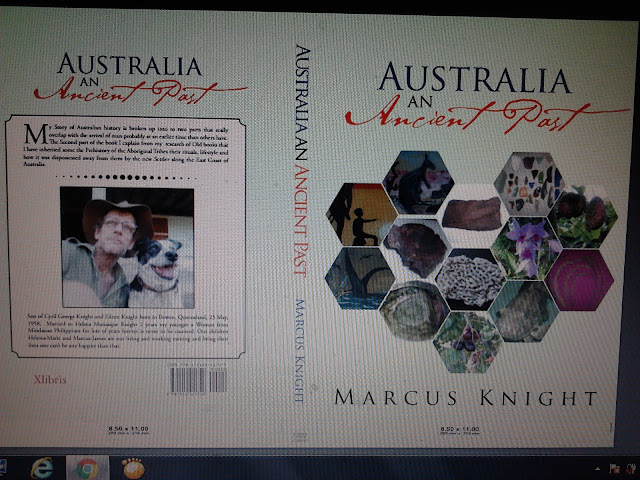


.jpg)


.jpg)


.webp)


.JPG)




.jpg)


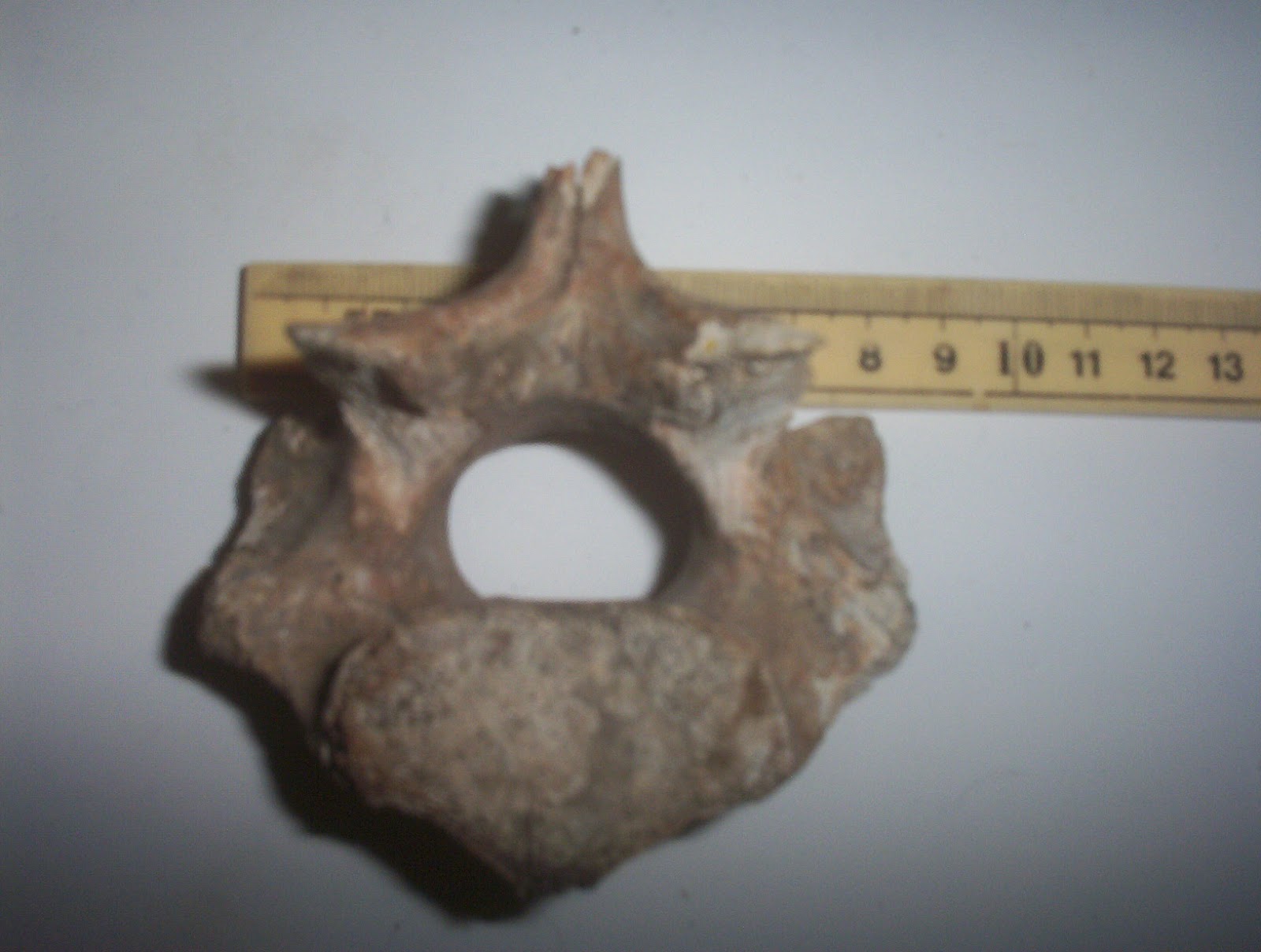


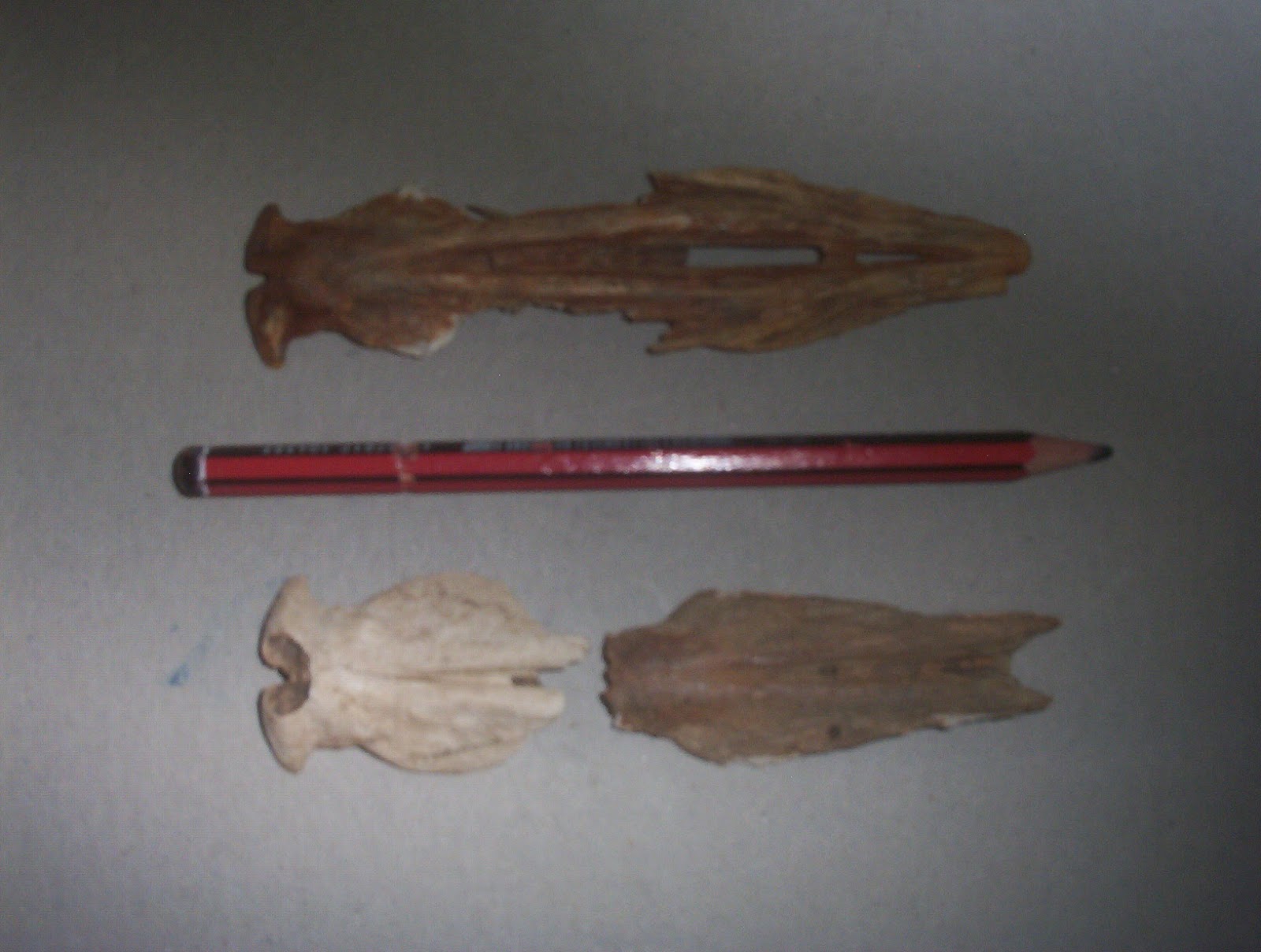


.JPG)


